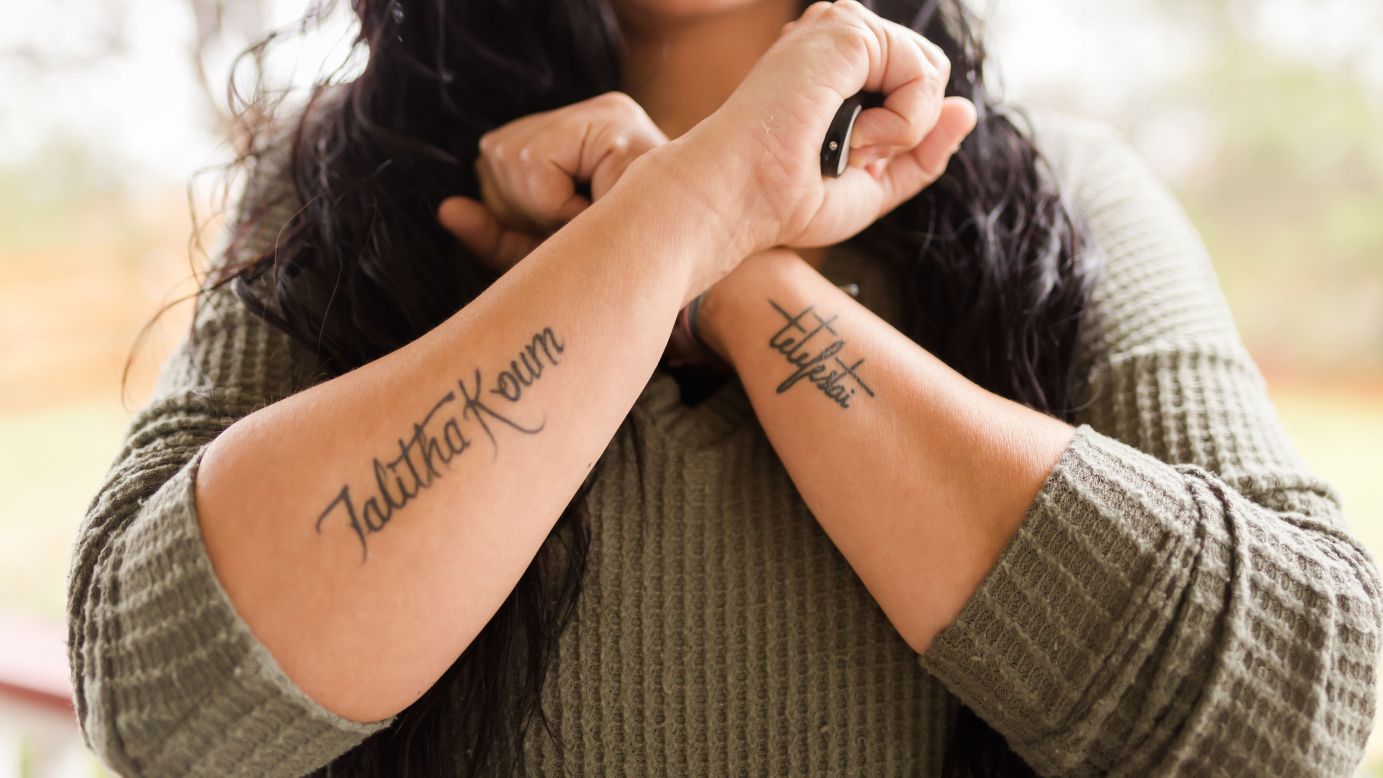
Tattoos are permanent. They’re deep. Most people get them for aesthetic reasons, but for survivors of trauma, ink is often the first step toward reclaiming a body that felt like it didn't belong to them anymore. You’ve probably seen them. Maybe on a wrist, or tucked behind an ear. A small splash of teal, a semicolon, or the cold, snakes-for-hair stare of a Greek Gorgon. The sexual assault tattoo symbol isn’t just one thing; it’s a language. It’s a way for people to say "I'm still here" without having to speak at all.
Honestly, the rise of these symbols on social media—especially TikTok and Instagram—has changed how we talk about healing. It’s not just about "awareness" anymore. It’s about ownership. When someone chooses a sexual assault tattoo symbol, they’re marking the end of a victimhood and the beginning of... well, whatever comes next. It’s complicated.
Why the Medusa Tattoo Became a Viral Symbol for Survivors
If you spend any time on social media, you’ve seen her. Medusa. In the old school, patriarchal version of the myth, she’s a monster. A villain. But survivors have reclaimed her story, and it’s arguably the most popular sexual assault tattoo symbol right now.
Why her?
In Ovid’s Metamorphoses, Medusa wasn't born a monster. She was a beautiful priestess of Athena who was raped by Poseidon in Athena’s temple. Instead of punishing Poseidon, Athena punished Medusa, turning her hair into snakes and her gaze into stone. For centuries, this was told as a story of a monster being defeated by a "hero" (Perseus). But modern survivors see it differently. They see a woman who was victimized by a powerful man, blamed by her community, and then given a way to protect herself so no one could ever hurt her again.
Getting a Medusa tattoo says, "I am not a victim; I am a protector of myself." It’s about the "stony glare." It's about the fact that she can no longer be approached or harmed. It’s a fierce, protective energy that resonates deeply with people who have felt powerless.
The Nuance of the Teal Ribbon
Then there’s the teal ribbon. It’s the official color of Sexual Assault Awareness Month (SAAM). While a ribbon might feel a bit more "corporate" or "official" than a mythological figure, it remains a cornerstone sexual assault tattoo symbol. Often, you'll see it integrated into other designs. A butterfly with one teal wing. A heartbeat line that turns into a ribbon.
Teal was chosen by the National Sexual Violence Resource Center (NSVRC) back in the early 2000s. It’s a calming color. It’s meant to represent healing and renewal. For a lot of survivors, the teal ribbon is a literal badge of solidarity. It’s less about the "monster" energy of Medusa and more about the quiet, communal side of recovery.
The Semicolon: Where Mental Health and Survival Intersect
You can't talk about a sexual assault tattoo symbol without mentioning the semicolon. Project Semicolon was started by Amy Bleuel in 2013. The logic is simple: "A semicolon is used when an author could’ve chosen to end their sentence, but chose not to. The author is you and the sentence is your life."
Sexual assault often leads to severe mental health struggles—PTSD, depression, suicidal ideation. So, the semicolon has become a secondary symbol for survivors. It’s a tiny mark, usually on the wrist or finger. It’s a reminder to keep going. It’s a quiet "to be continued."
- The Dragonfly: Often paired with teal, representing transformation and adaptability.
- The Lotus Flower: A classic symbol for rising out of the mud. It grows in murky water but remains clean.
- The Unalome: A Buddhist symbol representing the path to enlightenment—it starts spiraled (trauma/confusion) and eventually straightens out.
Is it Always About Trauma?
Here’s the thing. Not every Medusa tattoo is a sexual assault tattoo symbol. Some people just think Greek mythology is cool. This creates a bit of a weird tension in the community. You see someone with the ink, you feel a moment of "I see you," but you can't always assume.
I’ve talked to tattoo artists who say they’ve seen a massive spike in requests for these specific designs over the last three years. The "Medusa trend" on TikTok actually led to some backlash from people who felt the symbol was being "watered down." But honestly? If a symbol helps someone feel safer in their own skin, does it matter if it’s "trending"? Probably not.
Healing Through the Needle: The Psychology of Trauma Tattoos
There is actual science behind why people do this. Trauma lives in the body. Dr. Bessel van der Kolk, author of The Body Keeps the Score, talks extensively about how trauma survivors often feel disconnected from their physical selves. They feel like their body betrayed them, or like it doesn't belong to them anymore.
Getting a tattoo is a controlled form of pain.
Think about that for a second. In an assault, pain is forced upon you. It’s chaotic and terrifying. In a tattoo shop, you are choosing the pain. You are paying for it. You are deciding exactly where it goes and what the result looks like. It’s an act of agency. By placing a sexual assault tattoo symbol on their skin, a survivor is literally rewriting their physical narrative. They are taking a "site of the crime" and turning it into a gallery.
What to Consider Before Getting Your Own Symbol
If you’re thinking about getting a sexual assault tattoo symbol, don't just rush into it because you saw a cool reel.
First, think about visibility. Do you want people to ask you about it? A teal ribbon or a prominent Medusa is a conversation starter. If you aren't ready to explain the meaning—or if you don't want to lie and say "I just like snakes"—maybe consider a more private placement or a more abstract design.
Second, find the right artist. This is huge. You want someone who is "trauma-informed." Some artists specialize in cover-ups for self-harm scars or domestic violence survivors. They understand that the process might be emotional. They won't judge you if you need to take a break or if you get overwhelmed.
Third, consider the "trigger" factor. Will looking at this symbol every day empower you, or will it keep you stuck in the memory? Everyone heals differently. For some, the sexual assault tattoo symbol is a finish line. For others, it’s a constant weight. Only you know which one it will be for you.
Taking Action: Beyond the Ink
A tattoo is a powerful tool, but it's just one part of a much larger toolkit. If you or someone you know is navigating the aftermath of sexual violence, there are resources that offer more than just symbolic support.
- RAINN (Rape, Abuse & Incest National Network): They operate the National Sexual Assault Hotline at 800-656-HOPE. It’s confidential and available 24/7.
- NSVRC (National Sexual Violence Resource Center): Great for learning about the "official" symbols and getting involved in advocacy.
- Local Support Groups: Sometimes, the best "symbol" is the presence of other people who get it.
- Therapy: Specifically EMDR (Eye Movement Desensitization and Reprocessing) or Somatic Experiencing, which are designed to help "unstick" trauma from the body.
The sexual assault tattoo symbol is a bridge. It bridges the gap between the person you were before and the person you are becoming. Whether it's a snake-haired queen or a simple teal line, it's a testament to the fact that you are still here, and you are still in control of your story.
Next Steps for Healing
- Research trauma-informed tattoo artists in your area by checking portfolios for "scar cover-up" or "survivor" work.
- Journal about what "protection" looks like to you—does it look like a Medusa, or something more personal like a specific flower or landscape?
- Reach out to a professional counselor to discuss the emotional impact of reclaiming your body through permanent art.
- Connect with survivor communities online or in person to share the stories behind your ink.